Malaysia is moving towards tighter regulation of e-commerce platforms.
On 26 August 2026, the government announced that the Ministry of Finance and Ministry of Communications would take immediate steps to introduce new regulatory measures, including registration requirements for e-commerce platforms. The government said the objective is to improve consumer protection and ensure that products sold online comply with Malaysian standards—not to close or restrict e-commerce platforms. Bernama reported the Cabinet announcement on 26 August 2026.
For businesses selling through Shopee, Lazada, TikTok Shop and other online marketplaces, this is an important development to monitor. However, sellers should understand the difference between a policy announcement and an enforceable requirement.
What has been confirmed?
The government has confirmed its intention to introduce a regulatory framework that includes platform registration.
Concerns highlighted in the announcement included:
- Electrical and electronic products that may not meet required safety standards
- Products carrying questionable halal claims
- Online scams and consumer complaints
- Insufficient accountability within the e-commerce ecosystem
The ministries are expected to engage with e-commerce platform operators before implementation details are finalised.
This also forms part of a wider government initiative announced in June 2026. KPDN said it was developing a new legal framework to strengthen platform accountability, close regulatory gaps and offer better protection to local micro, small and medium enterprises. The review also considers challenges involving counterfeit products and overseas sellers operating across different jurisdictions. Bernama explained the wider legislative work on 25 June 2026.
What has not been confirmed?
As at 31 August 2026, the public announcements have not specified:
- The final legislation or regulations
- The implementation date
- Which platforms will be required to register
- Whether individual sellers will face new registration procedures
- New seller fees, penalties or reporting formats
- The documents platforms may request from sellers
Therefore, sellers do not need to make drastic changes based on social-media speculation. They should instead use this period to organise their records and improve compliance readiness.
Six practical steps sellers can take now
1. Check business information
Make sure the business name, SSM information, bank account, tax information and platform seller profile are consistent.
Differences between legal and trading names should be clearly documented.
2. Review product listings
Check product titles, descriptions, photos, specifications and claims. Avoid unsupported statements about safety, performance, origin, certification or halal status.
Only display certification marks when the product is genuinely entitled to carry them.
3. Keep supplier and product records
Retain supplier invoices, product specifications, permits, certificates and relevant correspondence. These records can help if a platform requests verification or a customer disputes a product claim.
4. Maintain transaction and customer-service records
Keep orderly records of completed orders, tracking numbers, cancellations, returns, refunds and customer complaints.
Clear records make it easier to respond to platform reviews and resolve disputes.
5. Improve fulfilment accuracy
Ensure that stock quantities, product variations, parcel information and dispatch records are accurate.
Use suitable packaging for the product and retain shipment tracking details. Reliable fulfilment reduces damaged parcels, complaints and avoidable refund cases.
6. Monitor official announcements
Follow updates from KPDN, the Ministry of Finance, the Ministry of Communications and the seller centres of the platforms you use.
Platform requirements may only change after consultations and final rules are issued.
What could change for marketplace sellers?
Based on the government’s stated direction, platforms may eventually introduce stronger seller verification, product-document checks, listing controls and complaint-handling procedures. Cross-border sellers may also face additional compliance requirements.
These are reasonable possibilities based on the policy direction, not confirmed seller obligations. The final scope may change after industry engagement and legal review.
Do not panic—but do not ignore the announcement
The government has stated that it does not intend to shut down e-commerce platforms. Its focus is consumer protection, product standards and greater accountability.
For responsible sellers, better regulation may also create a fairer marketplace by making it harder for unverified or non-compliant products to compete solely on price.
The best response is simple: maintain accurate business information, truthful product listings, reliable documentation and orderly fulfilment records.
Kitarpack will continue monitoring official announcements and platform updates relevant to Malaysian online sellers.
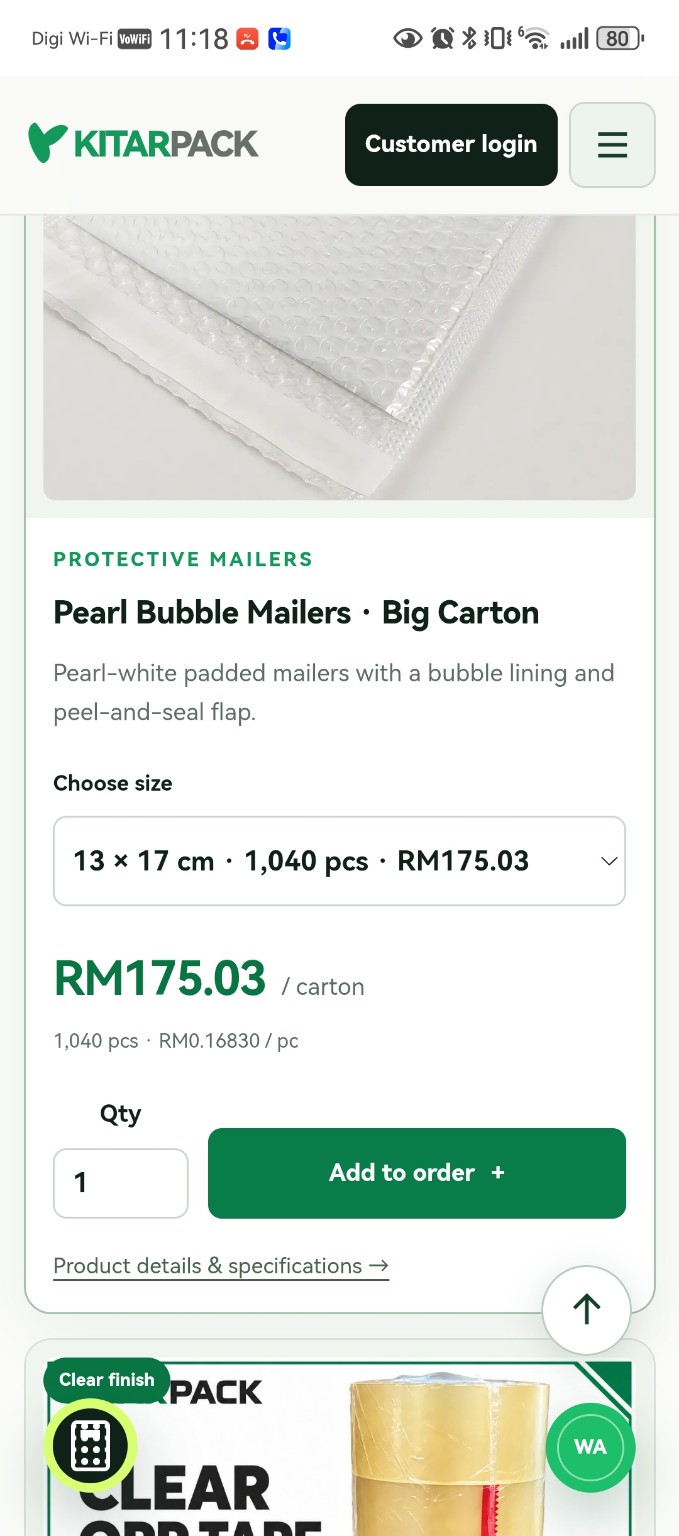
For local ready-stock parcel packaging, Kitarpack supplies neutral pearl bubble mailers in eight sizes from Klang, with small-carton and bulk-carton options for different business volumes.
This article provides general business information and does not constitute legal or tax advice.